
Which Hearing Aid is Better, Analog or Digital?

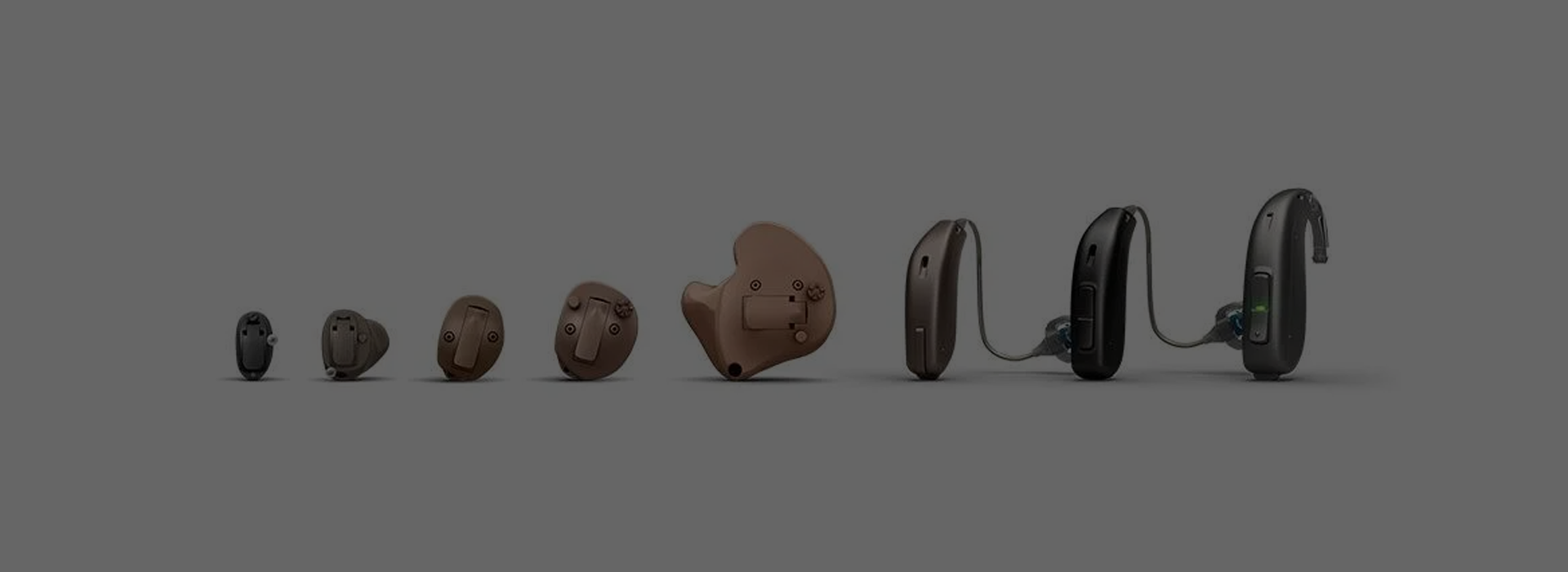
Choosing the right hearing aid is crucial for improving your hearing experience, and understanding the difference between analog and digital devices is the first step.
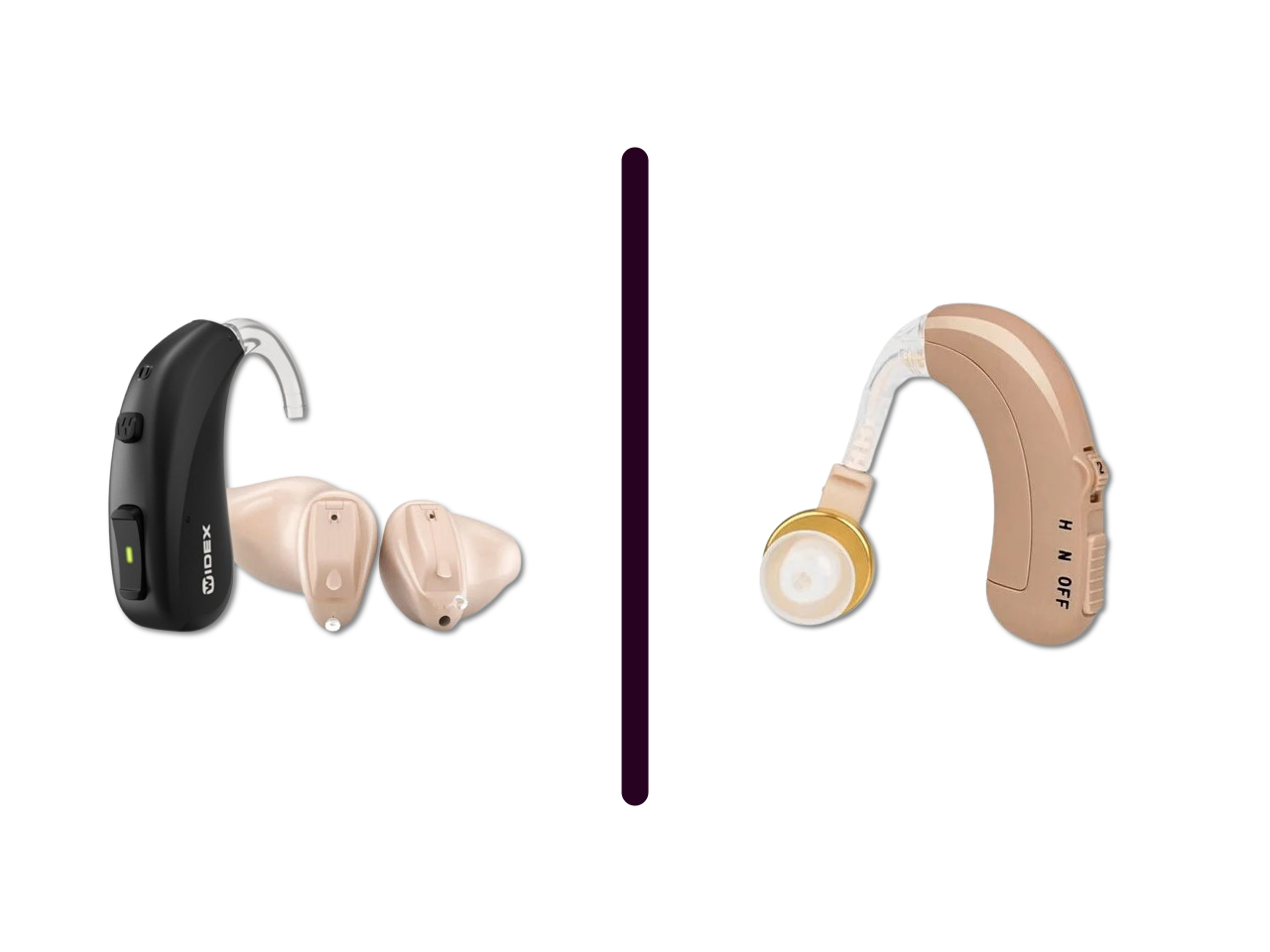
Analog Hearing Aids work by amplifying all sounds in the environment, including background noise. They are typically simpler, less expensive, and easier to adjust manually. For individuals with mild hearing loss or those on a tighter budget, analog hearing aids can provide a basic solution. However, they often lack the advanced features needed for clear hearing in noisy environments.
Digital Hearing Aids, on the other hand, convert sound into digital signals that can be processed and customized for your specific hearing loss. This allows the device to distinguish between speech and background noise, making conversations easier to understand. Digital hearing aids often come with additional features like noise reduction, feedback cancellation, music enhancement, and Bluetooth connectivity, offering a more natural and comfortable listening experience. They are also programmable, allowing audiologists to fine-tune settings for individual needs.
While analog hearing aids may suit some users due to their simplicity and cost, digital hearing aids generally provide superior sound quality, clarity, and adaptability. For anyone seeking optimal hearing support in various environments—whether at home, work, or social gatherings—digital hearing aids are typically the better choice.
At Best Life Hearing Care, we guide you in selecting the perfect hearing aid tailored to your hearing profile, ensuring maximum comfort and performance.